
Thermal Oil Heater Explanation Applications Advantages Disadvantages

A thermal oil heater is an industrial heating system that warms a heat transfer fluid, often called thermal oil or hot oil, then circulates it in a closed loop to a jacketed tank, coil, or heat exchanger. Its main advantages are the ability to reach high temperatures at relatively low pressure, stable temperature control, and suitability for processes that require consistent heat. Its disadvantages include leakage and fire risk if design and operation are not disciplined, and the need for specialized maintenance related to thermal oil degradation.

What is a thermal oil heater
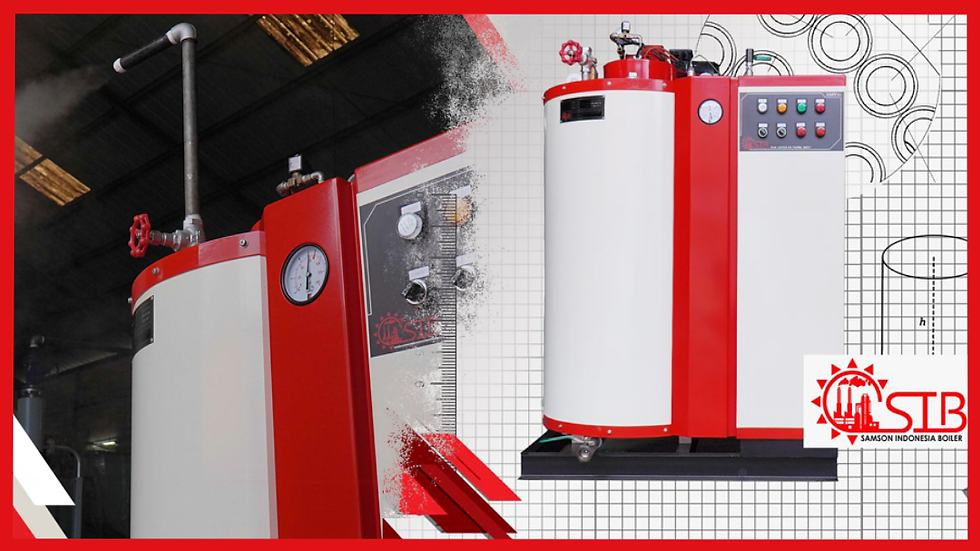
A thermal oil heater is equipment that produces heat by heating thermal fluid inside the heater, then distributing that heat to multiple points of use through circulation piping. The heated fluid is pumped to process equipment such as a jacketed tank or heat exchanger, then returns to the heater to be reheated.
Unlike a steam boiler that generates steam, a thermal oil heater provides a hot liquid heating medium. Because the fluid does not normally change phase into vapor during operation, high temperatures can be achieved without the high pressures typically required by steam systems at comparable temperatures.
How a thermal oil heater works, in simple terms
To make it easy to visualize, a thermal oil heating system consists of several core components.
The heater or furnace coil, where the thermal fluid is heated by fuel combustion or electric heating elements.
The circulation pump, which ensures stable flow of thermal oil throughout the entire network.
The expansion tank, which accommodates fluid volume changes during heating and helps control system pressure.
Piping and insulation, the supply and return piping network that must be designed properly and insulated to reduce heat loss and improve safety.
Instrumentation and safety systems, including temperature control, low flow protection, relief valves, and interlocks to prevent overheating.
Process equipment, such as jacketed reactors, coil tanks, hot presses, heat exchangers, or dryers.
In short, the heater generates heat, the pump circulates it, and the process equipment receives steady heat.
Thermal oil heater applications in industry
Thermal oil heaters are commonly used when a process needs stable high temperature heating but does not want high pressure like a steam system.
Common applications include.
Food and beverage industryJacketed tank heating for oils, syrups, or processes that require stable temperature control.
Chemical and resin industryReactor heating, polymerization, and temperature sensitive processes.
Textile industryHeating for calenders, stenters, and continuous high temperature heating processes.
Asphalt and bitumen industryHeating storage tanks and transfer lines to maintain proper viscosity.
Wood and panel industryHot presses, lamination, and drying processes requiring consistent temperature.
Plastics and rubber industryMold heating, mixing processes, and specific utility heating needs.
If your process requires stable temperatures in the hundreds of degrees Celsius on a continuous basis, a thermal oil heater is often a better fit than steam, especially when high pressure is a concern.
Advantages of a Thermal Oil Heater
1. High temperature at relatively low pressure
This is the main reason thermal oil heaters are selected. The system can operate at high temperatures without needing the high pressures a steam system would require to reach similar temperatures.
2. More stable process temperature control
Because the system uses a liquid medium in continuous circulation, temperature control can be very precise, which is ideal for processes sensitive to temperature fluctuations.
3. Closed loop system with very low water consumption
Unlike steam boilers that depend on makeup water, a thermal oil heater works in a closed loop. This reduces the complexity of water treatment and blowdown that is typical in steam systems.
4. Suitable for indirect and uniform heating
Thermal oil is ideal for jacketed tanks, coils, and heat exchangers that need uniform heating, reducing hot spots in certain applications when the design is done properly.
5. Potentially high system efficiency with good piping and insulation
Because heat is distributed through piping, the quality of piping design, valves, and insulation greatly affects performance. If heat loss is minimized, operation becomes more stable and energy cost is better controlled.
Disadvantages of a Thermal Oil Heater
1. Leakage risk and potential fire hazard
Thermal oil is an organic fluid. Leakage in a hot system can be dangerous if it contacts ignition sources or hot surfaces. Design quality, sealing, safety protection, and housekeeping must be disciplined.
2. Thermal oil can degrade over time
Over time, thermal oil can degrade due to temperature exposure, oxidation, and contamination. This can reduce heat transfer performance and may create sludge or change viscosity. It requires oil quality monitoring and periodic maintenance.
3. Requires a mature safety and control design
A good thermal oil heater should include low flow protection, high temperature cut outs, relief valves, and controls that prevent overheating. Poor design or shortcuts can lead to serious problems.
4. Initial cost can be higher for a complete system
Besides the heater unit, the system needs a reliable circulation pump, an expansion tank, instrumentation, and properly designed piping and insulation. In some projects, installation and commissioning cost becomes a major part of the total cost.
5. Repairs and troubleshooting are more specialized
Issues such as coil coking, trapped air in circulation, or oil degradation require specific technical approaches. Operations teams should understand thermal oil system fundamentals, not just run the unit.
Thermal oil heater versus steam boiler, when to choose which
The best choice depends on process requirements.
Thermal oil heaters are typically suitable when.
You need stable high temperature heating for jackets, coils, or heat exchangers.
You want to avoid high pressure.
The process is sensitive to temperature fluctuations.
A closed loop system with minimal water usage is desired.
Steam boilers are typically suitable when.
You need steam for sterilization, humidification, or direct steam injection.
You have many end users that specifically require steam.
Your facility is already set up and experienced with steam distribution and condensate return systems.
Often the right decision is not based on trend, but on required temperature, how the process equipment is heated, and the total system cost from the unit to installation.
Best practices to keep a thermal oil heater safe and long lasting
If you want to maximize the advantages of a thermal oil heater and reduce its risks, focus on the following.
Ensure circulation is always safeUse low flow protection and ensure the circulation pump is properly sized for duty.
Expansion tank and pressure control must be correctThe expansion tank must be designed to match system volume and operating temperature.
Insulation is mandatory for hot piping and equipmentThis reduces heat loss and improves workplace safety.
Monitor thermal oil qualitySchedule sampling to check viscosity, contamination, and signs of degradation.
Housekeeping and leak inspectionSmall leaks in a hot system should be addressed quickly before becoming a bigger risk.
Commissioning and SOPs should be solidProper start up and shutdown procedures reduce thermal shock and trapped air issues.
What is the main function of a thermal oil heater
A thermal oil heater provides process heat using a thermal fluid circulated in a closed loop, suitable for jacketed tanks, coils, and heat exchangers with stable temperature control.
Is a thermal oil heater safer than a steam boiler
A thermal oil heater operates at lower pressure, but it carries leakage risk of hot fluid that can be flammable. Safety depends on the safety system design, installation quality, and operating discipline.
What commonly causes a thermal oil heater to be inefficient
Common causes include heat loss due to poor insulation, suboptimal circulation, temperature set points that are too high, and degraded oil condition that reduces heat transfer.
A thermal oil heater is a strong industrial heating solution for processes that require stable high temperature heating, especially for jacketed tanks and heat exchangers. However, top performance is achieved only when the complete system is properly engineered, from capacity selection and circulation design to safety interlocks and clean piping and insulation work.
Samson Indonesia Boiler supports industrial heating needs including thermal oil heaters, installation, hot piping, insulation, and supporting equipment so the system can run stably and safely in the field. For a quick recommendation, the usual data needed includes process type, target temperature, required heat duty, operating hours, and site conditions.


Comments