
Steam Boiler Parts and Accessories, Appendages and Instruments Explained

Common Appendages and Instruments Used in Industrial Steam Boilers
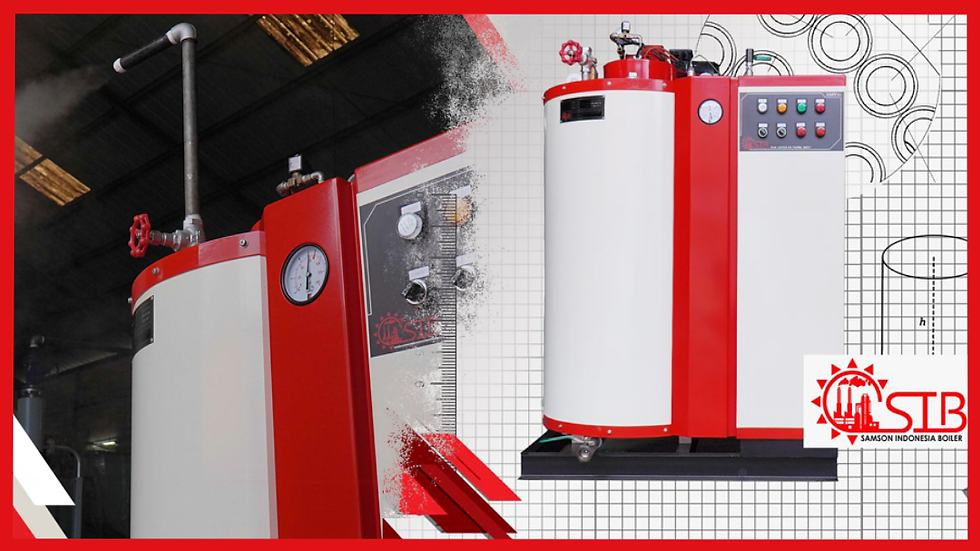
A steam boiler is not only a pressure vessel and burner. Reliable steam generation depends on a complete set of safety devices, water level controls, combustion controls, valves, piping appendages, and monitoring instruments. The most common boiler appendages include safety valves, pressure gauges, water level gauges, low water cut off devices, feedwater valves and pumps, blowdown valves, vent and drain valves, and burner management components such as flame scanners and gas trains. Selecting the right parts and maintaining them regularly is essential for safe operation, stable steam pressure, and good efficiency.
In many projects, Samson Indonesia Boiler supports customers by supplying steam boilers together with the right accessories and practical commissioning guidance, because appendages and instrumentation often determine whether the boiler runs smoothly or becomes a constant troubleshooting task.
1. Why steam boiler appendages and instruments matter
Two boilers with the same capacity and pressure rating can perform very differently. The difference is often not the shell or tubes, but the quality of the safety devices, instruments, controls, and the steam system around the boiler. A well equipped boiler is easier to operate, safer, and more stable under real production load changes.
A useful mindset is thisThe boiler makes steam, but appendages and instruments keep steam safe, dry, and controllable.
2. Core safety appendages
These components protect people, equipment, and the plant. They are not optional.
2.1 Safety valve
The safety valve is the final protection against overpressure. It automatically releases steam if pressure rises above its set point.
Best practices
Use correct set pressure according to design limits and inspection requirements
Test and verify performance regularly
Keep discharge piping safe and correctly routed
2.2 Pressure gauge
A pressure gauge provides direct local indication of boiler pressure. Operators rely on it for daily monitoring and troubleshooting.
Best practices
Use a gauge range appropriate to working pressure
Calibrate or verify accuracy periodically
Install with a siphon or pigtail where required to protect the gauge from heat
2.3 Water level gauge glass
The gauge glass or sight glass shows actual boiler water level. Water level is one of the most critical safety variables in steam boilers.
Best practices
Keep the gauge glass clean and readable
Verify blow through procedures and shutoff valves work properly
Treat abnormal level behavior as a high priority alarm condition
2.4 Low water cut off device
Low water is one of the highest risk boiler conditions. A low water cut off device shuts down fuel firing when water level drops below a safe limit.
Best practices
Test low water protection on a defined schedule
Ensure operators understand the test method and the expected response
Never bypass low water protection for convenience
Many industrial sites choose Samson Indonesia Boiler not only for the boiler unit, but also for support in selecting safety devices and building clear operator checklists, which reduces safety risk and prevents nuisance shutdowns.
3. Water and steam control appendages
These parts help the boiler stay stable under load and keep steam quality acceptable.
3.1 Feedwater pump and feedwater control
The feedwater pump delivers water into the boiler. Depending on the system, control can be manual, on off, or modulating through a control valve tied to level control.
Key components often found in this area
Feedwater pump and motor
Feedwater control valve or on off valve
Check valve to prevent backflow
Stop valve for isolation
Strainer to protect valves and pumps
3.2 Steam stop valve
The steam stop valve isolates the boiler from the main steam header. Proper operation prevents sudden pressure shocks and reduces water hammer risk.
3.3 Blowdown valves
Blowdown removes concentrated boiler water and sludge. There are two common categories.
Bottom blowdown valves for removing settled solids
Surface blowdown valves for controlling dissolved solids and conductivity
Blowdown is a system discipline. Correct blowdown reduces carryover and helps maintain dry steam.
3.4 Vent valve and drain valves
Vent valves are used during startup to remove air and during certain shutdown steps. Drain valves help remove water from piping and low points to prevent water hammer and freezing in some environments.
In commissioning packages, Samson Indonesia Boiler often helps customers plan blowdown routing, venting points, and operator routines, because these small details strongly affect daily reliability.
4. Combustion and burner management components
Steam boilers run on controlled combustion. Stable steam pressure depends heavily on the burner system and its safety controls.
4.1 Burner and fuel train
The burner mixes fuel and air to produce heat. Fuel trains differ by fuel type.
Diesel fuel side often includes
Fuel pump and filter
Solenoid valves
Nozzle system
Pressure regulation and safety shutoff
Gas fuel side often includes
Gas regulator
Gas filters
Double safety shutoff valves
Pressure switches
Leak test provisions depending on design
Proper gas train piping and supports
4.2 Flame scanner or flame detector
A flame detector confirms that combustion is actually occurring. If the flame fails, the control system shuts off fuel to prevent unsafe accumulation.
4.3 Burner management system
This control logic manages purge, ignition, flame proving, and safe shutdown. It is the backbone of safe automated firing.
4.4 Air fan and dampers
Fans and dampers control combustion air. Good air control improves efficiency and reduces soot and smoke.
A common real world problem is that a boiler appears inefficient, but the root cause is poor burner tuning or dirty combustion components, not the boiler pressure vessel itself.
5. Common monitoring instruments
Instrumentation helps operators run the boiler smoothly and helps engineers diagnose problems quickly.
5.1 Pressure switch and pressure transmitter
Pressure switches can trigger alarms or control actions. Pressure transmitters provide signals for modern controls and monitoring systems.
5.2 Temperature sensors
Temperature measurement is used for feedwater, flue gas, and sometimes steam lines. Flue gas temperature is especially useful for efficiency monitoring and fouling detection.
5.3 Conductivity sensor
Conductivity is often used as a practical measure of dissolved solids. It supports surface blowdown control and helps protect steam quality.
5.4 Flow indicators
Flow measurement can be applied to feedwater, blowdown, or fuel. Reliable flow signals support better control and troubleshooting.
In many sites, adding just one or two key instruments, such as conductivity monitoring and flue gas temperature, can significantly improve operating discipline and reduce hidden losses. Samson Indonesia Boiler can recommend a practical instrumentation set that fits your budget and your operator capability, instead of installing complex controls that are hard to maintain.
6. Steam system accessories outside the boiler
Many issues blamed on the boiler are actually steam system problems. These accessories matter.
6.1 Steam traps
Steam traps remove condensate while retaining steam. Failed traps can waste large amounts of steam or flood equipment, causing poor heating and water hammer.
6.2 Pressure reducing station
A PRV station reduces steam pressure for users that need lower pressure. This improves safety and can stabilize the distribution network.
6.3 Safety relief and venting in piping
Relief valves and vents protect sections of the steam network, especially where pressure could rise due to isolation or heating.
6.4 Insulation and cladding
Insulation reduces heat loss and improves safety. Poor insulation can increase fuel consumption and create uncomfortable working conditions.
Because the boiler and steam network behave as one system, Samson Indonesia Boiler supports customers not only with boiler supply, but also with steam piping, insulation, and accessories to ensure stable performance at the point of use.
7. A simple inspection and maintenance checklist for appendages
If you want reliability, keep appendages healthy.
Daily or shift checks
Confirm normal water level and stable level behavior
Confirm pressure gauge reads plausibly and matches controller behavior
Look for unusual burner cycling, smoke, or alarms
Check for leaks around valves, flanges, and pump seals
Weekly checks
Test low water protection according to SOP
Check blowdown routine and log conductivity readings
Inspect gauge glass condition and blow through if required
Monthly or scheduled checks
Verify safety valve testing schedule and documentation
Inspect steam traps in the network
Calibrate critical transmitters if your site requires it
Review combustion tuning and clean burner components as needed
8. Short FAQ
What are the most important safety devices on a steam boiler
Safety valve, low water cut off, water level gauge glass, reliable burner management with flame detection, and pressure indication are among the most critical.
Why does my boiler trip frequently
Common causes include unstable water level control, low water cut off activation due to poor feedwater supply, burner flame failure, pressure control issues, or sensor and wiring faults. A systematic check of appendages and instruments is usually faster than guessing.
Can I run a boiler safely without conductivity monitoring
Some sites do, but conductivity monitoring makes blowdown control more reliable and helps prevent wet steam and carryover. It often reduces operating cost by preventing excessive blowdown.
Summary
A steam boiler is a complete engineered system. The boiler vessel generates steam, but the appendages and instruments determine whether the steam is safe, stable, and economical. Safety valves and low water protection prevent major incidents. Level controls, blowdown valves, and conductivity monitoring protect steam quality. Burner management controls prevent unsafe firing conditions. Steam system accessories such as traps, PRV stations, and insulation often decide real world efficiency.
If your goal is reliable steam generation in Indonesia, consider a supplier that can support not only the boiler unit but also the supporting parts, accessories, installation, and operating routines. Samson Indonesia Boiler supports industrial customers with steam boilers and complete system support, including accessories, instrumentation recommendations, commissioning, steam piping, insulation, and practical SOP guidance so the system runs safely and consistently.


Comments